Fact Check: Is There a Specific Surge in AI Voice Cloning Scams in 2026?
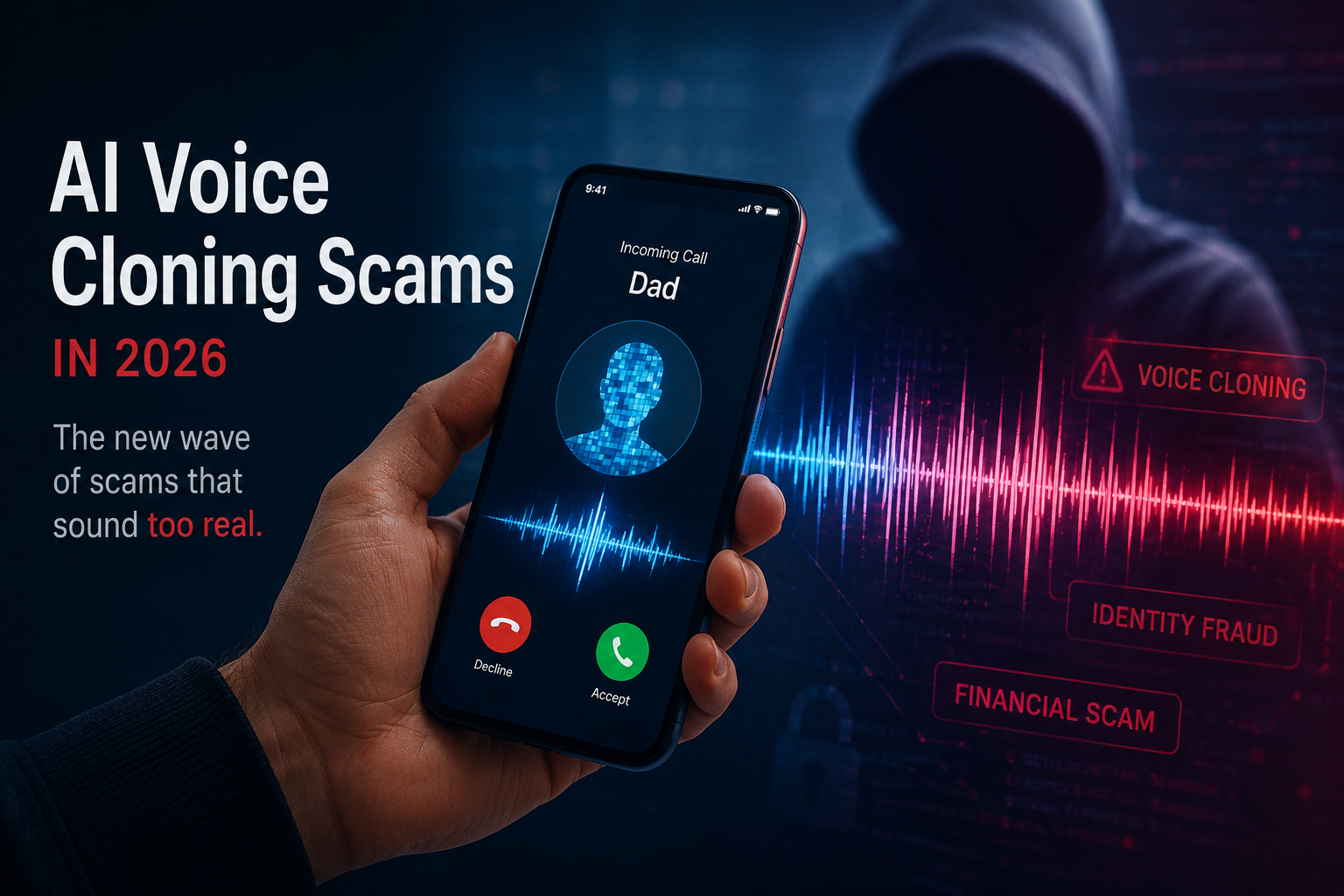
Fact Check: Is There a Specific Surge in AI Voice Cloning Scams in 2026?
🛡️ SOVAL VERDICT: Verified (Consensus)
Checked July 23, 2026 · We'll re-check as this develops
Multiple cybersecurity firms, consumer organizations, and regional fraud watchdogs confirm a sharp, ongoing surge in AI voice-cloning scams throughout mid-2026, building on a dramatic rise since 2025.
🔗 View the full evidence ledger and verified claim data here
Are AI voice cloning scams surging in 2026?
Yes, available evidence strongly confirms a dramatic surge in AI voice-cloning scams throughout mid-2026. Reports from cybersecurity platforms, consumer organizations, and regional fraud watchdogs indicate that AI-driven impersonation schemes are escalating rapidly across global markets rather than stabilizing or declining.
While global, month-specific statistics for July 2026 remain limited, mid-year data highlights extraordinary growth. Most notably, UK-focused fraud investigations recorded a roughly 200% rise in AI voice-cloning fraud cases from January to June 2026 alone, mirroring broader global findings of surging generative AI scams since late 2025.
2026 Voice Cloning Scam Data & Trend Analysis
The escalation of generative voice cloning into a mainstream threat vector is backed by multiple security and intelligence reports from the first half of 2026:
Why are AI voice cloning scams accelerating in mid-2026?
The primary driver behind the 2026 escalation is the rapid accessibility and speed of short-sample voice synthesis tools.
Threat actors no longer require minutes of clean studio audio to build a believable synthetic voice:
Micro-Sampling: Modern algorithms require as little as three seconds of audio extracted from social media clips, voicemails, or public broadcasts.
Spoofed Caller IDs: Scammers combine synthesized audio with caller ID spoofing to make urgent calls appear as though they originate from immediate family members or trusted authorities.
Low Technical Barriers: Off-the-shelf generative AI software allows non-technical fraudsters to execute "virtual kidnapping" or high-urgency financial distress scams at scale.
How to verify and protect against AI voice cloning in 2026
To prevent falling victim to AI-synthesized emergency scams, cybersecurity agencies recommend four immediate verification protocols:
Establish a Family Code Word: Agree on a distinct, non-public safe word with family members. A synthetic clone will be unable to provide it during an unexpected distress call.
Hang Up and Direct Dial: Immediately terminate suspicious calls demanding money or private data. Manually dial the caller’s direct phone number from your saved contacts list.
Listen for Synthetic Artifacts: Pay attention to unnatural pauses, robotic undertones, unusual speech cadences, or a total lack of background ambient noise.
Verify via Personal Detail: Ask a hyper-specific question about a shared memory that cannot be scraped from public social media profiles or online records.
📚 Primary Verified Sources
CyberAware UK (
cyberawareuk.co.uk) – Mid-2026 UK Fraud Investigation DataMcAfee Security Insights (
mcafee.com) – Global AI Scam & Consumer Threat AnalysisSurfshark Cyber Research (
surfshark.com) – Aggregated Cybercrime StatisticsVectra AI Threat Intelligence (
vectra.ai) – AI Threat Vector & Identity Fraud TrackingWSLS / Times of India Reports (
wsls.com,timesofindia.indiatimes.com) – Media Fraud Case Studies
🔔 Stay Updated
🔔 Notify me if this develops
👥 COMMUNITY VERDICT
As of July 23 2026:
[ ✓ Verdict looks right 0 ][ ✕ I'd dispute this 0 ]
Not enough reactions yet to summarize community view.
Think this verdict is wrong?
Submit evidence and reasoning for review on the official claim page.